
How Books Help Children Understand Emotions
In this article…
Discover how children’s picture books can help children understand emotions, recognise feelings, develop empathy and talk about their experiences in a safe and gentle way.
Stories Help Children Put Feelings Into Words
Children’s books can help bridge that gap, giving young readers a safe and gentle way to explore feelings such as fear, sadness, anger, excitement and loneliness. Through characters, stories and illustrations, children can begin to recognise emotions, understand other people’s feelings and find words for their own experiences.
Children experience big emotions long before they have the words to explain them.
Sometimes a child knows that something doesn’t feel right but cannot explain why.
A picture book can help put words to those feelings.
When a character is frightened before trying something new, a child might recognise that feeling as fear. When a character loses something important, the child can see what sadness looks like. When a character finally succeeds after struggling, they can experience the joy and relief alongside them.
Over time, children begin connecting the words in the story with their own experiences.
“I felt like that when Mum went away.”
“I was scared like the little mouse.”
“I was angry when my tower fell down.”
These simple connections can be an important step towards helping children understand their own emotions.
Children Learn About Emotions Through Characters
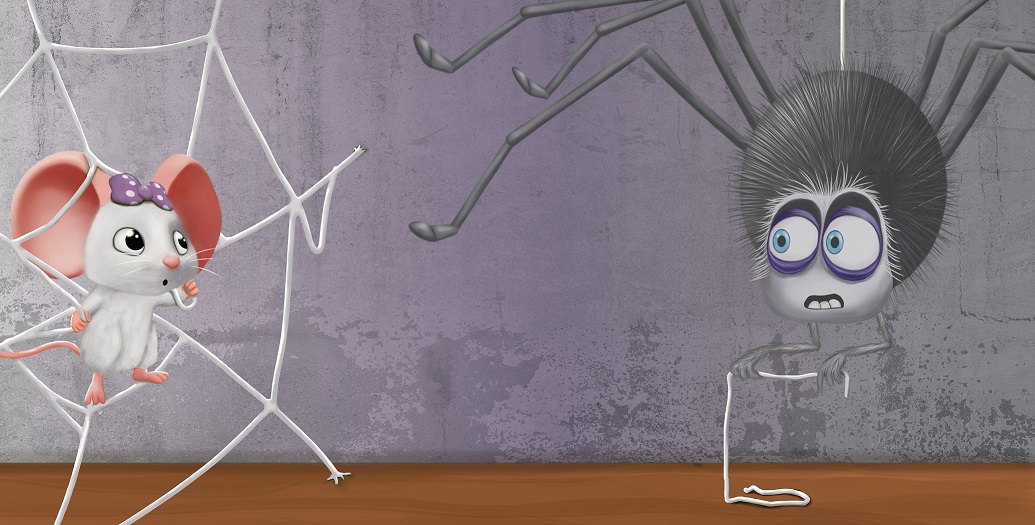
Picture books allow children to explore emotions from a safe distance. A character might make a mistake, become frustrated, feel left out or face something frightening. Children can watch what happens next.
How does the character respond?
Does someone help them?
Do they try again?
Do they say sorry?
Do they discover that something wasn’t as frightening as they first thought?
These moments give children opportunities to think about emotions and behaviour without feeling that they are being lectured.
A story doesn’t have to say, “This is the lesson you need to learn.”
Sometimes the story itself is enough.
Pictures Help Children Recognise Feelings
One of the special things about picture books is that children don’t only listen to the words. They also read the pictures. A character’s facial expression, posture and body language can communicate a great deal.
A child may notice that a character looks worried even before they understand the words describing the feeling. You can encourage this by asking simple questions:
“How do you think she feels?”, “What do you think happened?”, “How can you tell that he is sad?”, “What do you think might make him feel better?”
There isn’t always one correct answer. The important thing is encouraging children to look, think and express what they see.
How Picture Books Develop Empathy
When children follow a character through a difficult situation, they have an opportunity to see the world from someone else’s point of view.
They might wonder: “What would I do?”, “How would I feel?”, “Why did she do that?”, “Why is he upset?”
These questions encourage children to think beyond their own experiences and consider what another person might be feeling. That is an important part of developing empathy.
A child may not have experienced exactly what a character is going through, but a story can give them an opportunity to imagine what it might feel like.
Books Can Make Difficult Conversations Easier
Some subjects can be difficult for parents to introduce directly. A story can provide a natural starting point.
If a character is afraid, you can talk about things your child finds frightening. If a character feels lonely, you can talk about what it means to feel left out. If a character makes a mistake, you can talk about forgiveness and trying again.
The book becomes a bridge between the story and your child’s own world. You don’t need to turn every story into a serious conversation. Sometimes one simple question is enough:
“Have you ever felt like that?” Then give your child time to answer.
How Stories Teach Without Feeling Like Lessons
The most memorable lessons are often the ones children discover for themselves.
A story about a frightened character can show courage.
A story about someone helping another person can demonstrate kindness.
A story about a character who keeps trying can show perseverance.
Children don’t necessarily need a character to explain the lesson at the end.
They can see it. They can feel it. And sometimes, they can carry it with them into their own lives.
This is one of the wonderful things about children’s picture books. They can introduce important ideas naturally, through characters and situations that children enjoy following.
Let Children Experience the Story
It can be tempting to explain everything to a child while reading, but sometimes it is better to slow down and let them discover the story for themselves.
Look at the pictures. Pause before turning the page. Let them guess what will happen. Laugh when something is funny. Be quiet when the story becomes sad. Children don’t just learn from the words we read. They experience the emotions of the story with us.
And that shared experience can make reading time something much more meaningful than simply getting through a book.
How Picture Books Can Help Children Grow
A good picture book can do much more than entertain a child.
It can introduce new words, encourage imagination and help children explore experiences they may not yet understand.
Stories can also give children opportunities to think about kindness, courage, curiosity, perseverance and compassion.
These lessons don’t need to be complicated.
A child may simply see a character who is struggling and think, “I would help them.”
Or they may see someone who is afraid but keeps going and think, “Maybe I can try too.”
Small moments like these can become part of how children understand themselves and the people around them.
Making Storytime an Emotional Connection
The next time you read a picture book with your child, don’t worry about asking lots of questions or turning it into a teaching exercise.
Simply enjoy the story together.
Notice the characters.
Talk about what they are feeling when it feels natural.
And most importantly, give your child a chance to share their own thoughts.
A few quiet minutes together with a good picture book can open conversations that might otherwise never happen.
Because children’s books aren’t only about the stories on the page.
They can also help children understand the stories happening inside themselves.
A Little More Than a Story
I believe children’s books can be simple, enjoyable and meaningful at the same time.
A good picture book can make a child laugh, spark their imagination and, sometimes, help them see something about themselves or the world around them.
That is one of the reasons I love creating stories for children.
After all, sometimes the simplest story can help a child understand something very important.

Hein Visser is a children’s author, storyteller and illustrator based in Auckland, New Zealand. He creates imaginative picture books filled with quirky characters, playful rhymes, humour and heart. His stories are designed to spark children’s curiosity while gently exploring themes such as kindness, courage, creativity and resilience.